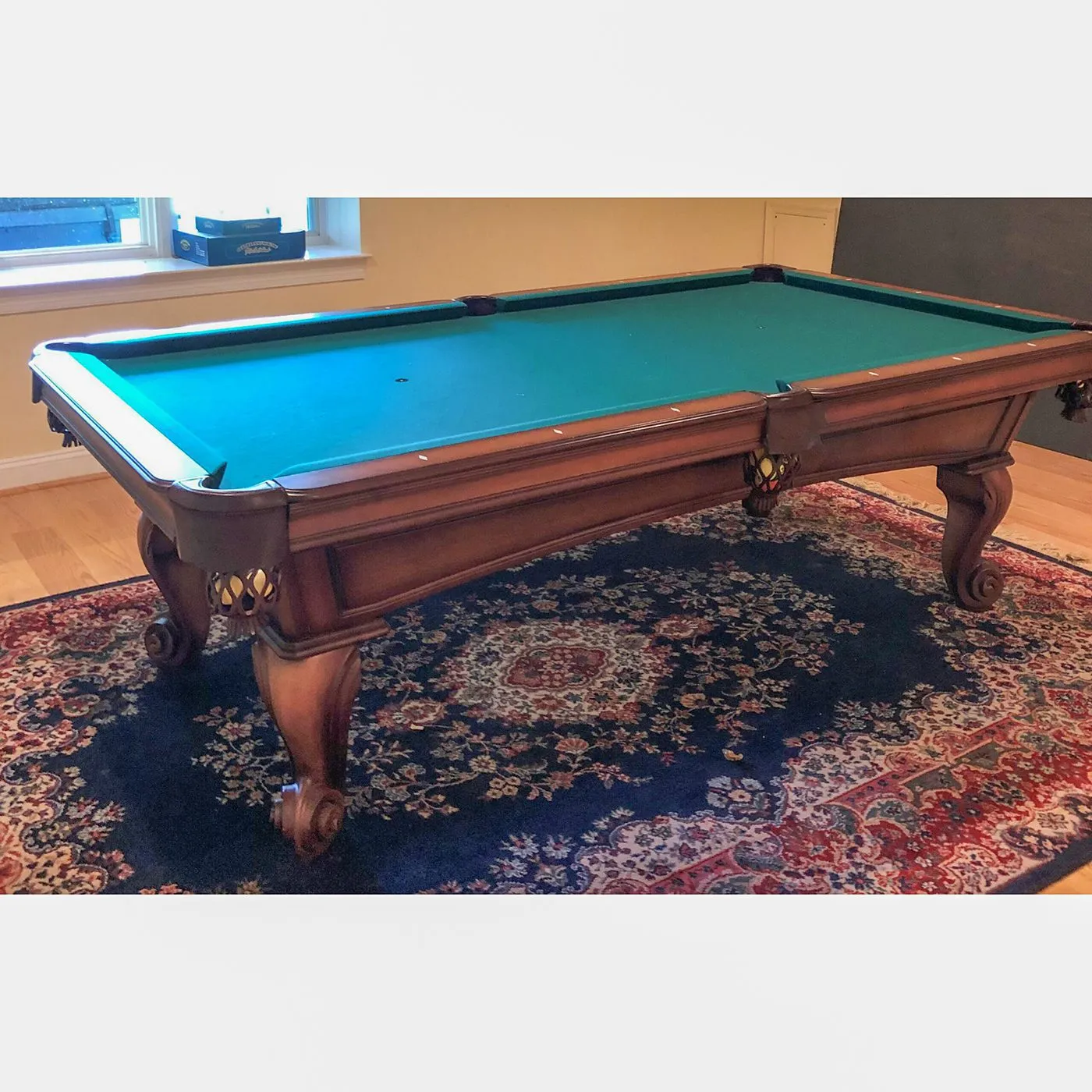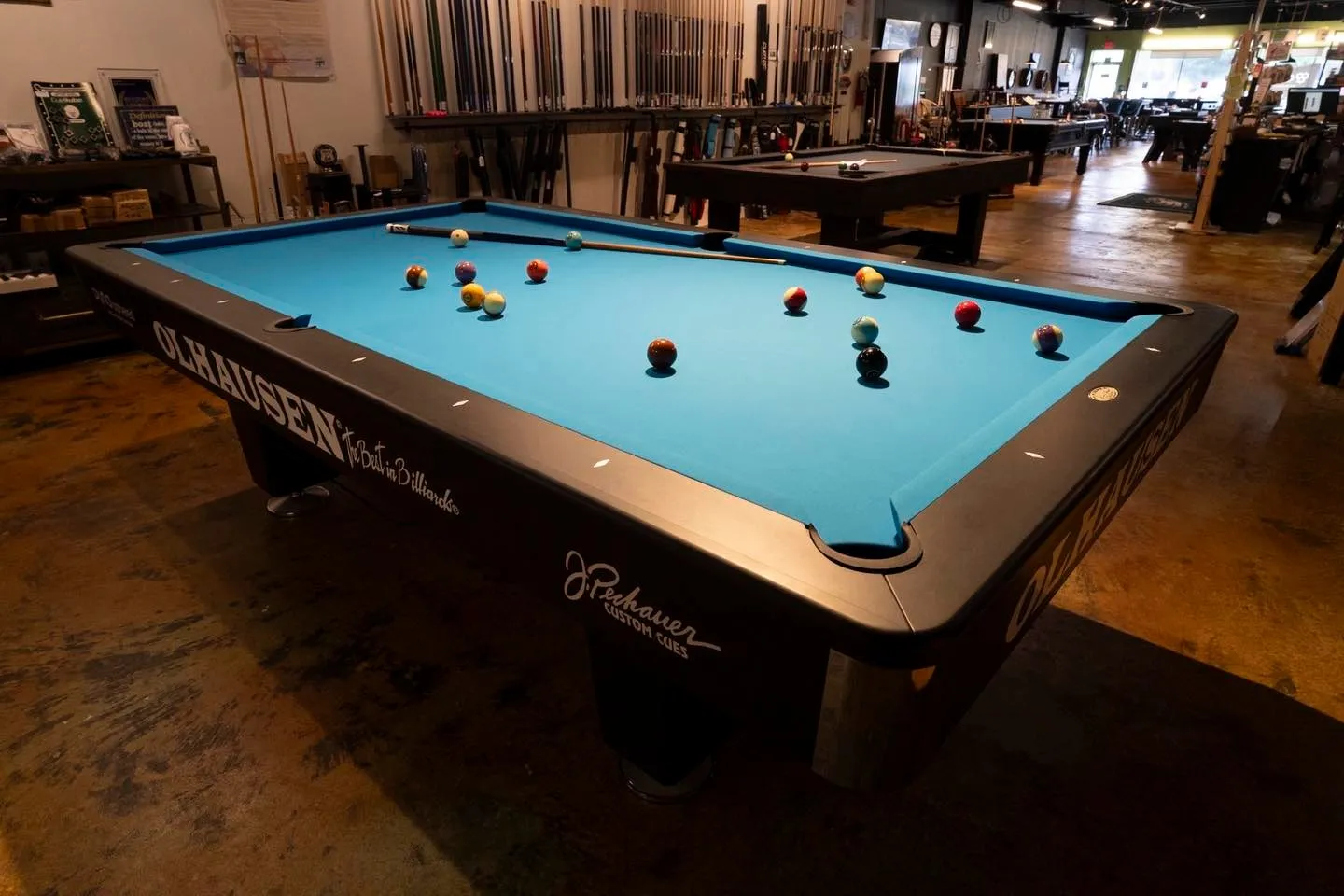
Most pool tables don’t wear out all at once. It happens slowly. The felt starts to thin near the pockets. Shots that used to glide smoothly begin to drift or slow down. You might even notice balls tracking slightly off line, even when you’re sure your aim is right.
At that point, many homeowners start thinking about how to change the felt on a pool table. Not because something is broken, but because the table no longer plays the way it should. A fresh felt can make an older table feel brand new again—but only if it’s done correctly.
At Royal Billiard & Recreation, we’ve worked with pool tables in all kinds of homes throughout the Delaware Valley. Some owners want to understand the process before deciding what to do next. Others are weighing whether refelting is something they want to take on themselves or have handled professionally. Either way, knowing what’s involved helps you make the right call for your table.
What Changing Pool Table Felt Really Involves
Before getting into how to change the felt on a pool table, it’s important to clear up a common misconception. Refelting is not just removing old cloth and stapling on new material. It’s a detailed service that affects how the table looks, feels, and plays for years to come.
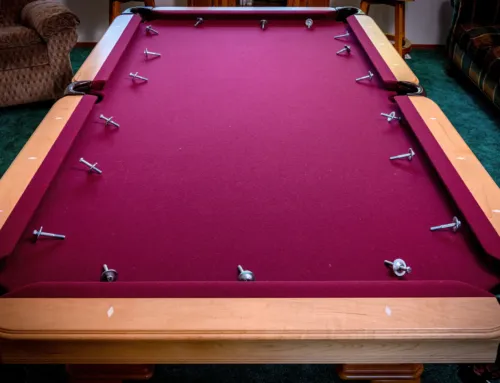
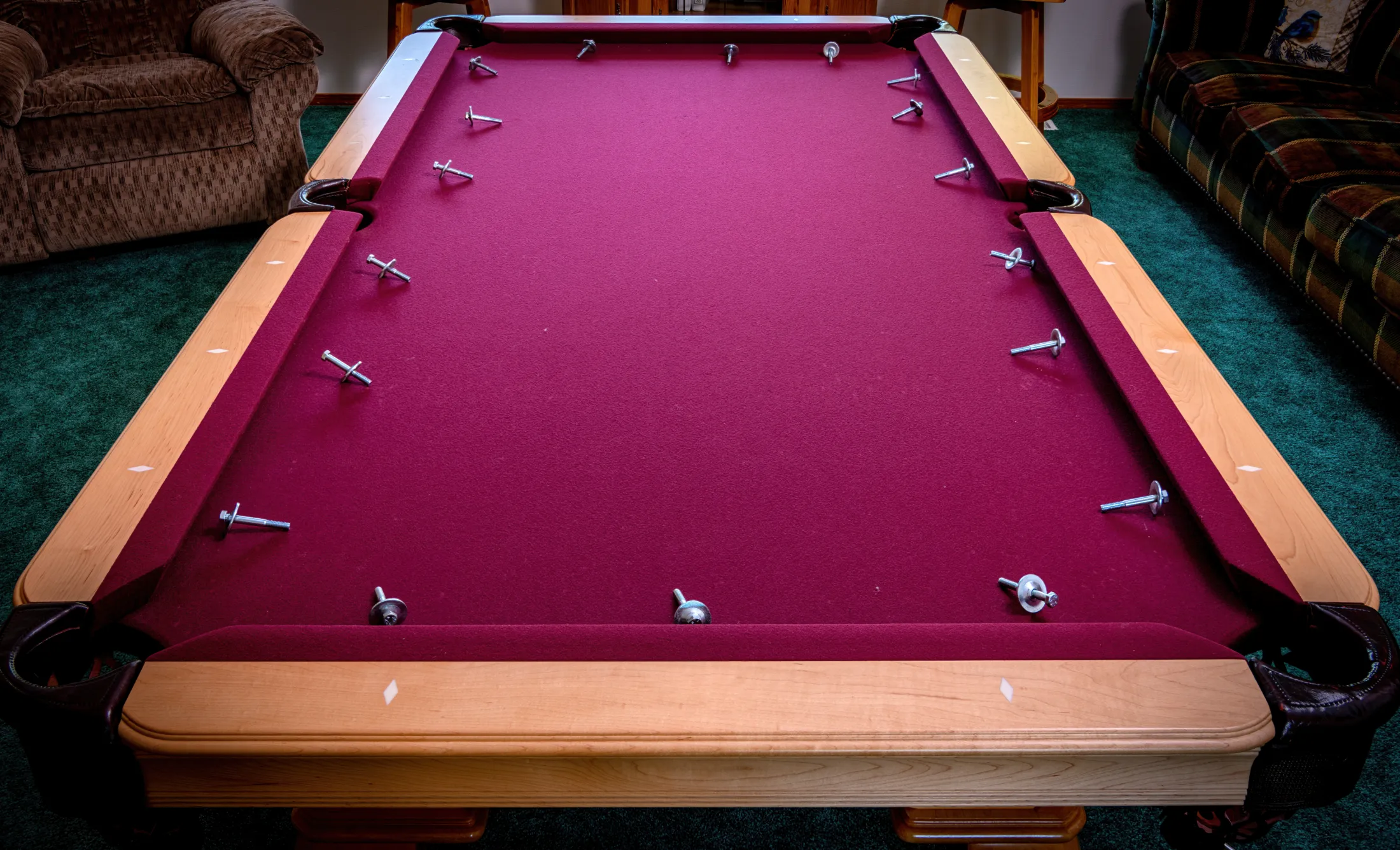
The process starts with removing the rails, which must be done carefully to avoid damaging the cushions or rail facings. Once the rails are off, the old felt is removed from both the slate and the rails. This exposes the playing surface and gives a clear view of the table’s condition underneath.
At this stage, slate seams are inspected, screws are checked, and the surface is prepared for new cloth. These steps are critical. Even slight inconsistencies in the slate can lead to uneven ball roll once the table is back in use. Proper refelting addresses these issues before new felt ever goes down.
How To Change The Felt On A Pool Table: Breaking Down The Process
Step One: Removing The Rails And Old Cloth
The process begins by carefully removing the rails so the cushions and rail facings aren’t damaged. Each rail is taken off evenly, then the existing cloth is removed from both the slate surface and the rails.
This step often reveals wear patterns that weren’t obvious before, especially near pockets and along high-use areas. With the cloth removed, the table’s playing surface can finally be evaluated properly.
Step Two: Inspecting And Preparing The Slate
Once the slate is exposed, it’s checked for level, stability, and secure fastening. Slate seams are inspected, screws are tightened, and the surface is cleaned and prepared for new cloth.
This preparation step is one of the most important parts of changing pool table felt. Even a slight uneven spot in the slate can affect ball roll and consistency once the table is reassembled.
Step Three: Installing And Tensioning The New Felt
The new felt is laid across the slate and stretched evenly in all directions. Proper tension is key here. Cloth that’s too loose will play slow and develop wrinkles, while cloth that’s overstretched can wear out prematurely.
This stage has a direct impact on how the table plays day to day. Even tension helps create a smooth, predictable playing surface.
Step Four: Refelting The Rails And Wrapping The Pockets
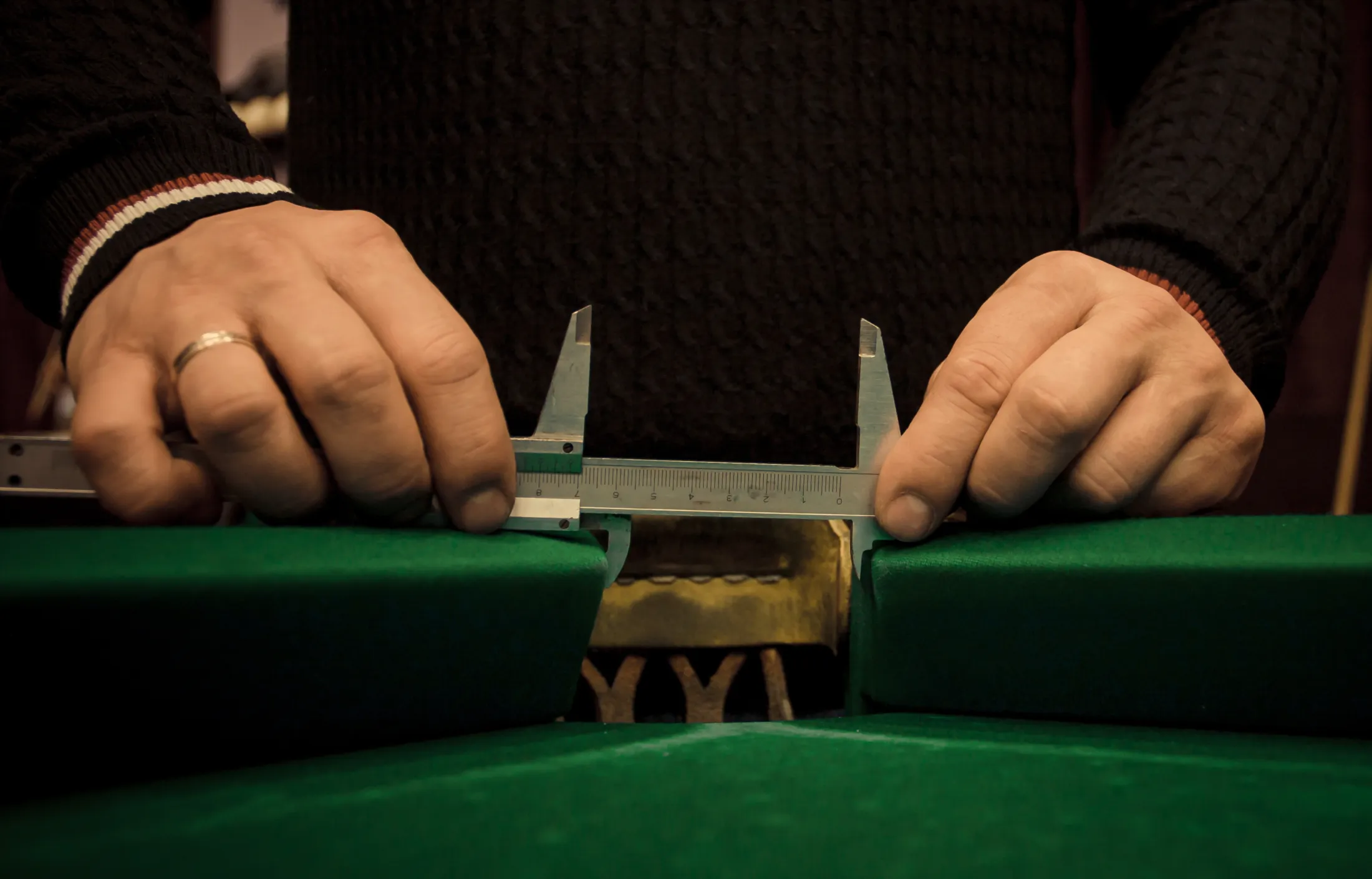
After the slate cloth is installed, each rail is refelted individually. The cloth is trimmed and secured so cushion response remains consistent from rail to rail. Pockets are wrapped carefully to maintain clean edges and proper ball drop.
Mistakes at this stage can change how balls rebound, which is why attention to detail matters so much here.
Step Five: Reassembly And Final Leveling
The final step is reassembling the table. Rails are reinstalled evenly, bolts are tightened to specification, and the table is checked again for level.
Small adjustments are made to ensure the table plays true across the entire surface. When done correctly, the result is a table that looks refreshed and plays smoothly for years to come.
Why Changing Pool Table Felt Is More Technical Than It Appears
Small Errors Have Big Consequences
A pool table may look fine immediately after refelting, but play issues often show up days or weeks later. Common problems include:
-
Slow or inconsistent ball roll
-
Dead rails
-
Cloth pulling loose near pockets
-
Premature wear patterns
These issues typically stem from incorrect tensioning, rushed installation, or skipping slate preparation.
Understanding how to change the felt on a pool table also means recognizing when experience matters more than instructions.
Why Many Homeowners Choose Professional Pool Table Felting Services
For many people, learning how to change the felt on a pool table is about understanding whether it’s a project they truly want to take on. While some older or low-value tables can be good candidates for DIY experimentation, most slate tables benefit from professional attention.
Professional pool table felting services focus on both appearance and performance. The goal isn’t just to make the table look good on day one, but to make sure it continues to play well over time. Proper slate preparation, cloth selection, and reassembly all contribute to that result.
Homeowners who choose professional service often do so because they want consistency. They want shots to roll true, cushions to respond evenly, and the cloth to hold up under regular play.
Professional Pool Table Felting Services At Royal Billiard & Recreation
Royal Billiard & Recreation has been serving the Delaware Valley since 1982, helping homeowners care for their pool tables with the kind of attention that only comes from decades of hands-on experience.
From our showroom in Colmar, Pennsylvania, we provide professional pool table refelting throughout Bucks County, Montgomery County, and surrounding areas.
Royal Billiard & Recreation
515 Bethlehem Pike
Colmar, PA
Our pool table felting services are performed in-home by experienced technicians who take the time to prepare the table properly and make sure it plays the way it should when the job is done.