A pool cue is a precision tool, not just a stick you lean in the corner between games. How you store it between sessions has more to do with how straight it stays — and how long it lasts — than almost anything else you do with it. Bad storage habits are the number one reason a perfectly good cue develops a warp, a loose joint, or a chipped tip within a year or two.
The good news: proper storage takes almost no effort once you know the rules.
How to Store Pool Cues Properly
The short version: store cues flat or fully vertical, never leaning at an angle, and keep them away from heat, direct sunlight, and damp air.
Leaning a cue against a wall — even for a few days — is one of the fastest ways to introduce a warp. Gravity pulls unevenly on the shaft over time, and wood (even high-quality hard rock maple) will respond to that pressure by bending, however slightly. A cue that’s off by even a fraction of an inch will noticeably affect your shot.
Heat and humidity cause a different kind of damage. A cue stored near a heating vent, a sunny window, or in a damp basement corner will expand, contract, and warp as the wood absorbs and releases moisture. This is especially common in Pennsylvania homes, where basements — often where the pool table lives — can swing from damp summers to dry, heated winters.
If you’re setting up a home game room and want it done right from day one, our BCA-certified installers handle professional delivery and installation throughout the Delaware Valley — including advice on where in the room to keep cues so they’re not sitting near a vent or window.
Pool Cue Care Basics: What Damages a Cue Over Time
Storage is the biggest factor, but a few other habits contribute to premature wear:
- Temperature swings. Moving a cue from a cold garage to a warm house repeatedly stresses the wood and glue joints.
- Direct sunlight. UV exposure dries out and discolors the finish, and can accelerate warping.
- Humidity extremes. Both too damp and too dry are problems — wood wants a stable middle ground.
- Rough handling. Tossing a cue on a table or letting it roll off onto the floor is a common way tips and ferrules get damaged.
- Dirty hands and residue. Chalk dust and hand oils build up on the shaft, which affects both grip and finish over time.
None of these cause damage overnight — it’s the repetition that does it. A cue stored badly for one week is fine. A cue stored badly for two years is a different story; basements, often where the pool table lives, can swing from damp summers to dry, heated winters. (The felt takes a similar hit from humidity — see our pool table felt cloth choices if you’re noticing wear there too.)
Vertical Racks vs. Cue Drawers: Which Storage Is Better
The two most common storage methods are wall-mounted vertical racks and built-in cue drawers, and both do the job well when used correctly.
Wall-mounted racks hold cues vertically, which is ideal for preventing warping. They’re a good option if you have wall space near the table and don’t mind the cues being visible and easily accessible.
Cue drawers, built into the pool table’s rail or apron, keep cues stored horizontally but fully supported along their length — which prevents the sagging that happens when a cue rests unevenly on a shelf or in a loose case. Drawers also keep cues out of sight and out of reach of kids and pets, and they don’t require any wall space at all.
Neither option is objectively better — it comes down to your room layout and how many cues you’re storing.
Using a Pool Table Cue Drawer for Built-In Storage
If your pool table has a built-in cue drawer, it’s one of the most convenient storage solutions available. Everything stays in one place, fully supported, with the table itself acting as protection against bumps and falls.
Cue drawers are especially useful in households with kids or pets, since the cues aren’t left leaning where they can be knocked over or grabbed. They also keep your game room looking clean, since there’s no rack taking up wall space.
If your table doesn’t have a drawer, a quality cue case is the next best thing — especially for two-piece cues, since a hard case protects both the shaft and the butt while keeping them properly aligned.
Protecting the Tip, Ferrule, and Joint When Not in Use
The tip, ferrule, and joint are the most fragile parts of a cue, and they take the most damage from careless storage.
- Tip: Never store a cue tip-down against a hard surface. Even light, repeated pressure flattens and eventually cracks the tip.
- Ferrule: Avoid stacking cues or letting them roll into each other — the ferrule (the band just behind the tip) is prone to hairline cracks from impact.
- Joint: For two-piece cues, always break the cue down for storage rather than leaving it assembled. Store both halves in a case or drawer where they’re supported and can’t knock together.
A few seconds of care after every game prevents the kind of damage that eventually requires a full retip or joint repair.
Pool Cue Maintenance Tips Beyond Storage
Good storage habits pair well with a simple maintenance routine:
- Wipe down the shaft after each use with a clean, dry cloth to remove chalk dust and hand oils.
- Check the tip regularly for flattening or fraying — a worn tip affects accuracy long before it looks obviously bad.
- Clean occasionally with a cue-specific cleaner or conditioner rather than household cleaning products, which can strip the finish.
- Inspect the joint periodically to make sure it’s not loosening — a wobbly joint throws off your stroke.
Maintenance takes a few minutes a month. Replacing a warped shaft or a damaged tip takes a lot longer.
Other Pool Table Accessories Worth Having On Hand
Beyond the cue itself, a few pool table accessories make ongoing care easier:
- Chalk — keep a few extra pieces on hand so you’re never chasing down a single worn-down cube.
- Cue cleaner/conditioner — extends the life of the shaft’s finish.
- A soft cloth or towel — for wiping down cues and the table rails after play.
- A bridge stick — protects the felt from awkward stretches across the table.
- A tip tool — for shaping and maintaining the tip between replacements.
If you’re building out your collection or looking to upgrade an older cue, our pool cues selection includes options for every playing style and budget.
Frequently Asked Questions
How long do pool cues last if stored properly?
A well-made cue that’s stored and maintained correctly can last decades. Most damage that shortens a cue’s life comes from storage and handling habits, not normal wear from play.
How often should you clean a pool cue?
Wipe down the shaft after every use, and do a more thorough clean with a cue conditioner every few months, or sooner if you play frequently.
Can a pool cue warp from being left on a table?
Yes. Leaving a cue resting across the rails or on the felt, even briefly, can cause uneven pressure that leads to warping over time. Always store it properly between games.
What’s the best way to store a 2-piece cue?
Break it down into its two sections and store them in a hard case or a cue drawer, where both pieces are supported and separated from other cues.
Ready to Upgrade Your Pool Cue Storage?
Getting storage right makes a real difference in how long your equipment lasts. Whether you’re looking for a cue case, a new cue, or want to talk through options for your specific setup, our team is happy to help.
Stop by our Colmar showroom or, you can also reach out to our team with any questions.
Explore Our Pool Cues
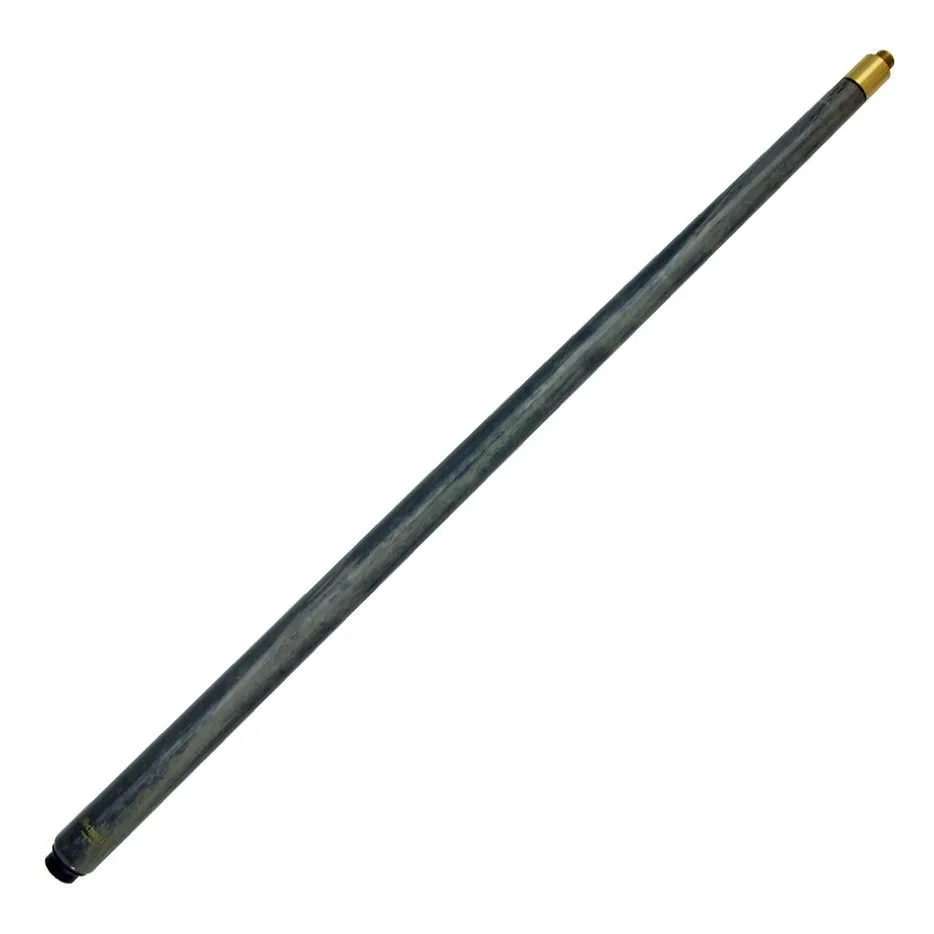
Schmelke Pool Cue – Grey Stain Maple – S008
Call for Price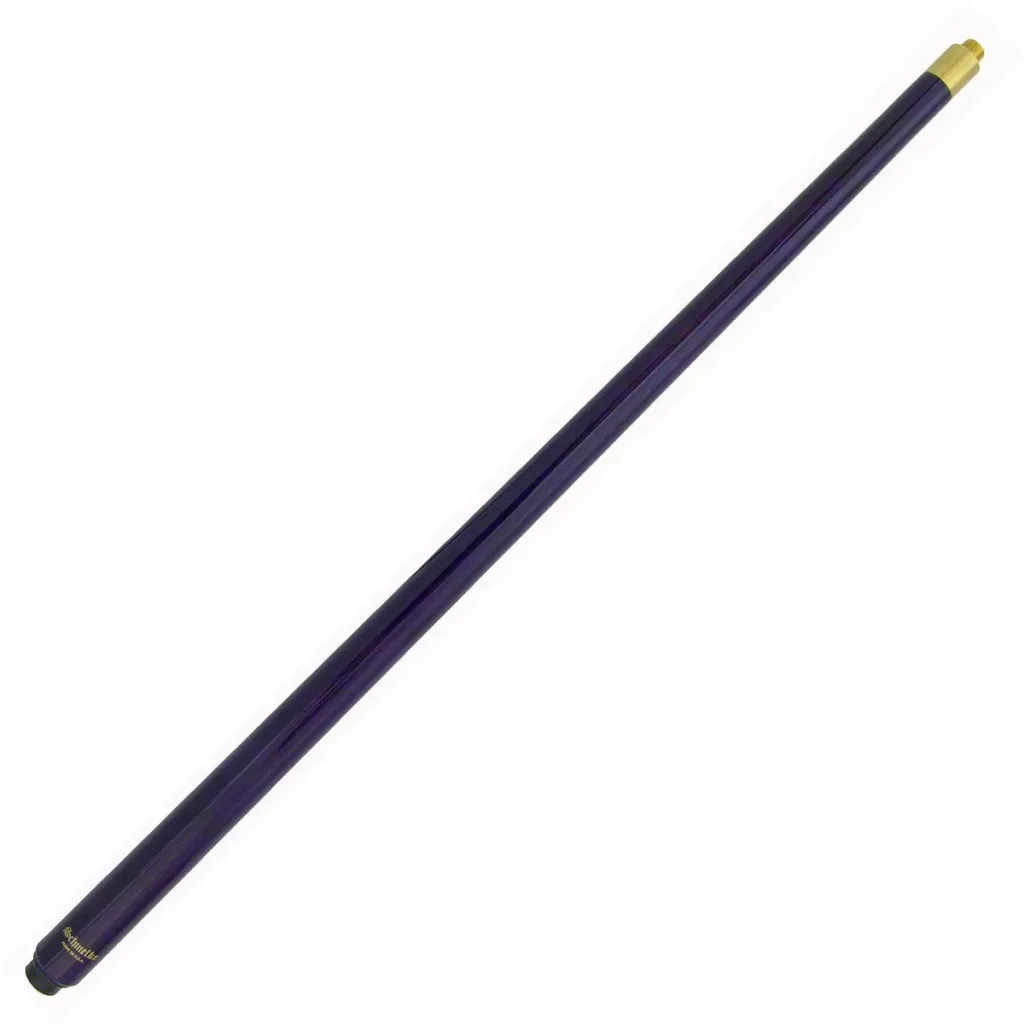
Schmelke Pool Cue – Purple Stain Maple – S001
Call for Price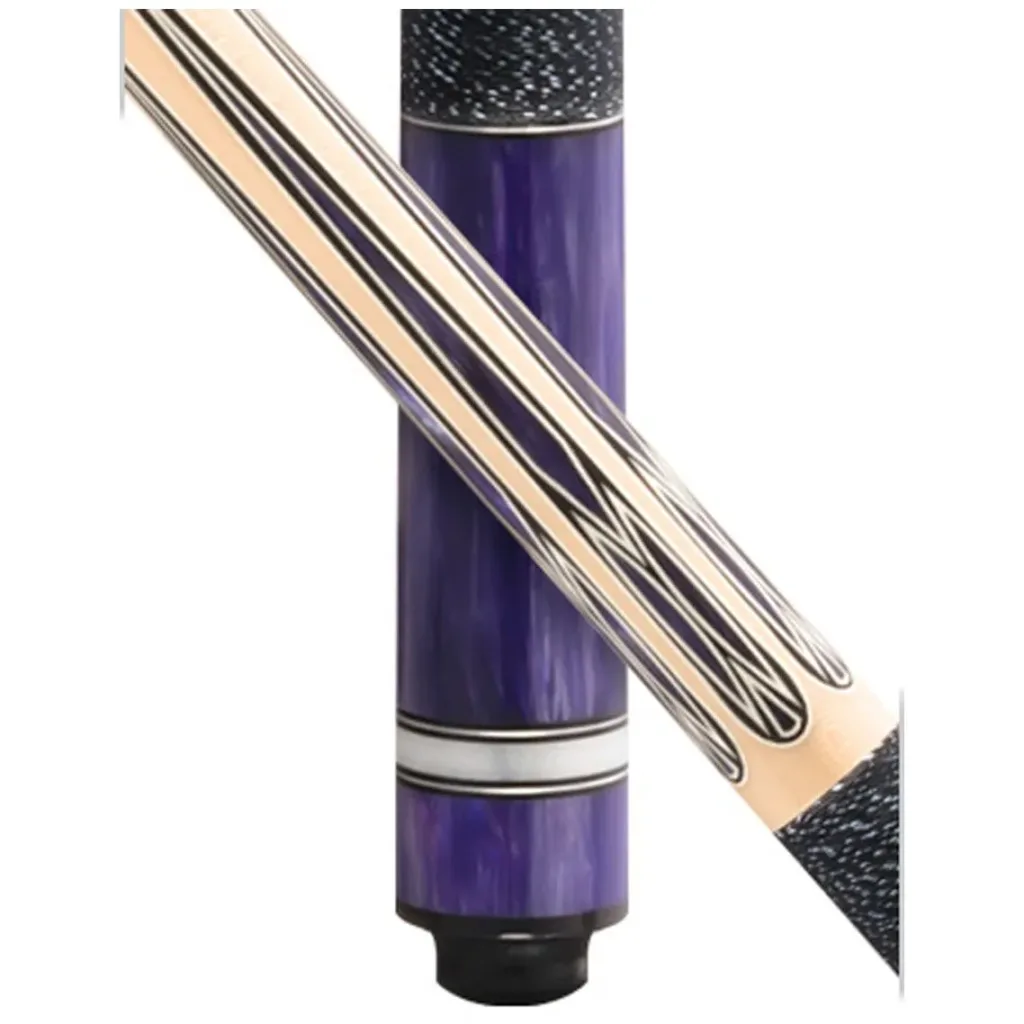
Star by McDermott Pool Cue SP10
$340.00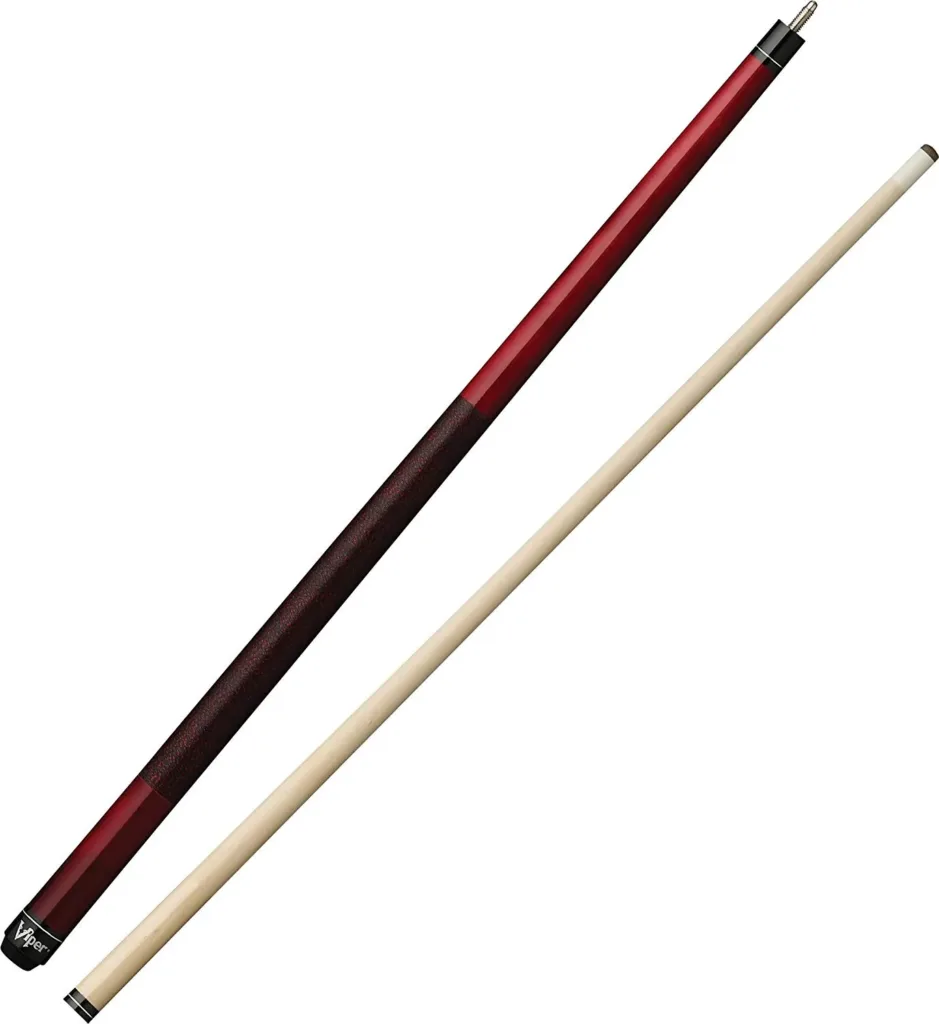
Viper Elite Pool Cue – Red
Call for Price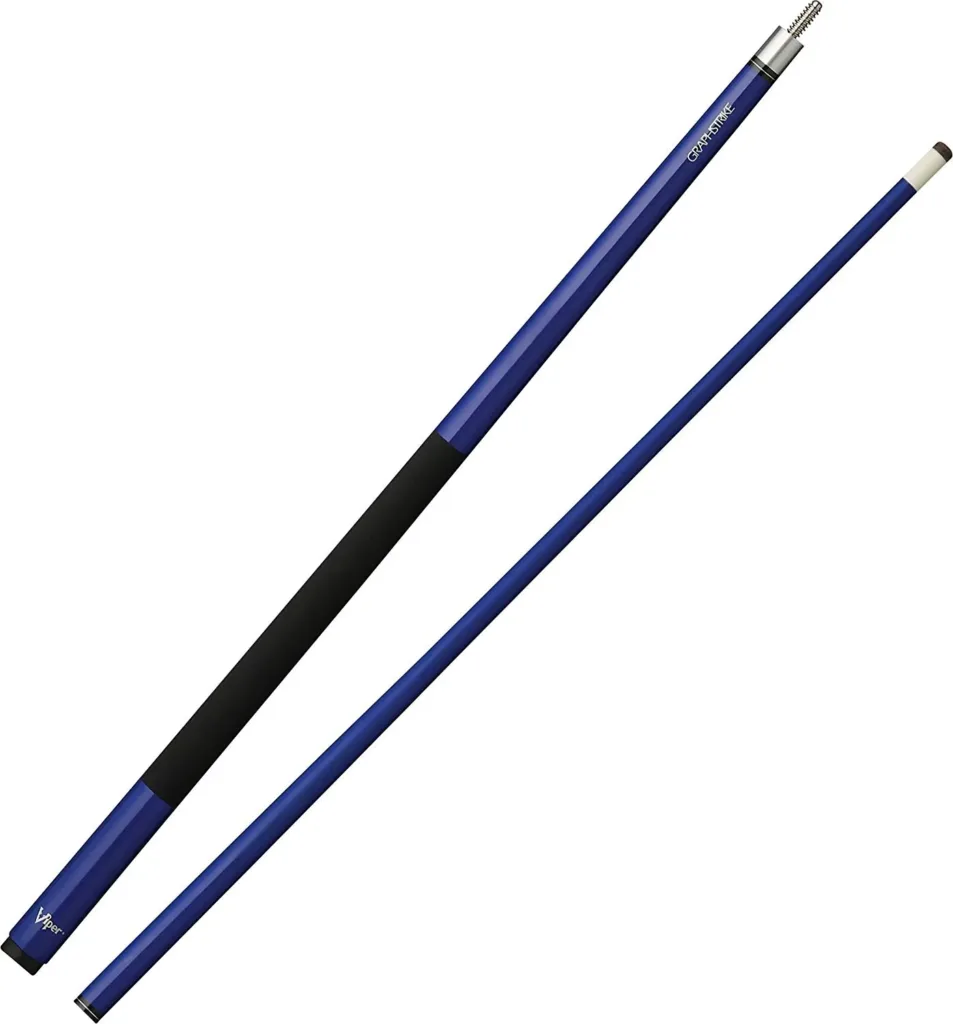
Viper Graphstrike Pool Cue – Blue
Call for Price